Feed is expensive, and every kilogram counts through winter.
When cattle aren’t performing as expected, nutrition often takes centre stage. However, external parasites such as cattle lice can quietly reduce productivity without causing obvious illness.
Winter provides ideal conditions for cattle lice. Longer coat length and closer contact between animals allow lice populations to build, increasing irritation and placing additional pressure on cattle at a time when nutritional demand is already high.
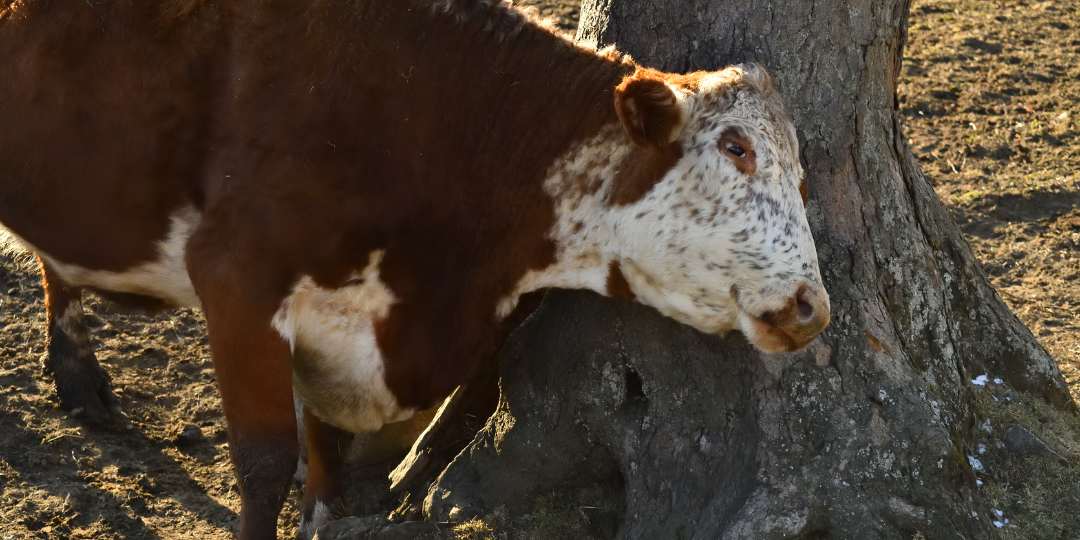
While cattle lice are commonly associated with rubbing and hair loss, the bigger impact is often on production. Constant irritation can reduce grazing time and increase energy expenditure, affecting feed conversion, weight gain and overall performance. As lice numbers increase, more energy is diverted away from growth and production and into responding to the infestation.
Why do cattle lice become more of an issue in winter?
Unlike flies and many other external parasites, cattle lice spend their entire life cycle on the animal. Adult lice lay eggs, known as nits, which are attached firmly to the hair. These hatch into immature lice before developing into adults, with the lifecycle often completed in as little as three to four weeks under favourable conditions.
During winter, longer coats provide ideal protection for lice while cattle naturally spend more time in close contact, making it easier for infestations to spread through a herd. Because lice survive for only a short time away from the host animal, they are primarily transferred through direct contact.
This is why winter is considered the highest-risk period for cattle lice and why early monitoring and timely treatment are important before populations have the opportunity to build. Because these impacts develop gradually, infestations are often overlooked until production has already been affected.
Regular monitoring throughout winter is an important part of a broader parasite management program. Pay particular attention to young stock, animals in poorer condition and herds with a history of lice.
Products such as Doramax Pour-On, Doramax Injectable, Incarcerate and Eprinomax provide a practical option for the treatment and control of cattle lice as part of a broader winter parasite management program.
Protecting cattle from lice is not just about reducing irritation. It is about protecting feed conversion, maintaining productivity and helping cattle perform through one of the most demanding times of the year.