Winter is often when lice activity becomes more noticeable in sheep.
Rubbing, wool damage and irritation can all become more obvious as stock carry heavier fleeces through cooler conditions.
While lice may not always cause dramatic illness, they can still impact comfort, condition and overall productivity if left unmanaged.
Why lice become more noticeable in winter
Lice populations can increase through cooler months as longer fleeces provide a more favourable environment for spread and survival. Closer contact between sheep can also increase transmission within mobs.
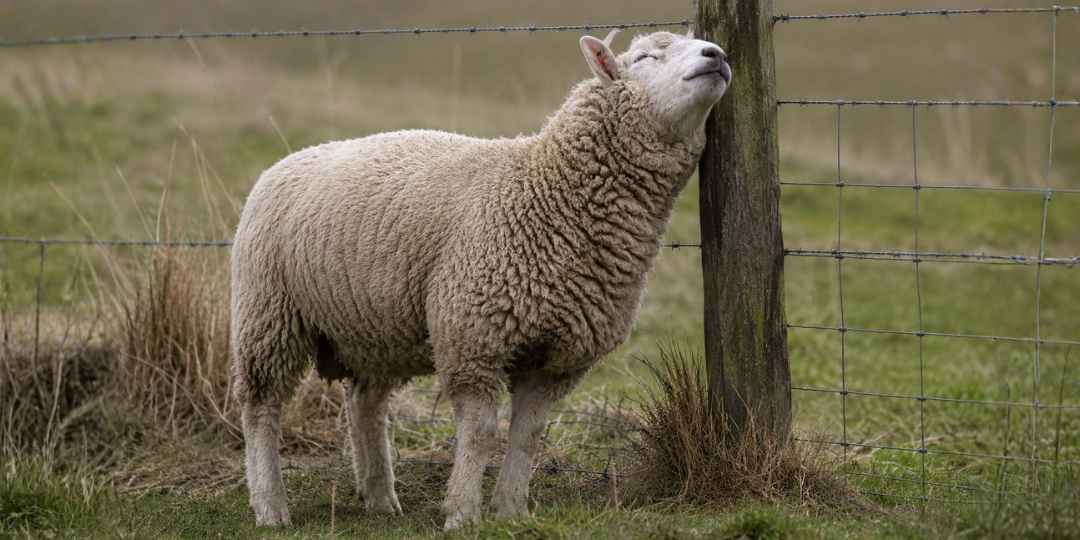
Because irritation develops gradually, producers may first notice signs such as rubbing, biting or wool damage before identifying lice as the underlying issue.
Common signs of lice activity may include:
- rubbing on fences or infrastructure
- wool derangement or damage
- biting or scratching behaviour
- irritation and restlessness
- reduced wool quality
Even where clinical signs appear relatively mild, lice can still place additional pressure on sheep during periods where nutritional demand and seasonal conditions are already challenging.
Production impacts
Lice do not just affect fleece quality. However, persistent irritation and stress may impact overall condition and productivity, particularly through winter when maintaining feed efficiency becomes increasingly important.
This is why early identification and timely management remain important within broader winter production programs.
Why timing matters
Managing lice effectively often relies on seasonal timing and reducing spread within mobs. Addressing lice pressure before it becomes widespread may help reduce production impacts and support overall flock performance through winter.
Products such as Encore Pour-On Lousicide for Sheep, Jet Away Blow Fly & Lice for Sheep and Incarcerate provide a practical option for the control of lice in livestock through a convenient pour-on or jetting application.
As with any treatment program, product selection and timing should be based on seasonal conditions, flock management and overall production goals.
Winter lice pressure can quietly impact productivity. Identifying issues early and applying practical seasonal management strategies can help support comfort, wool quality and overall flock performance.