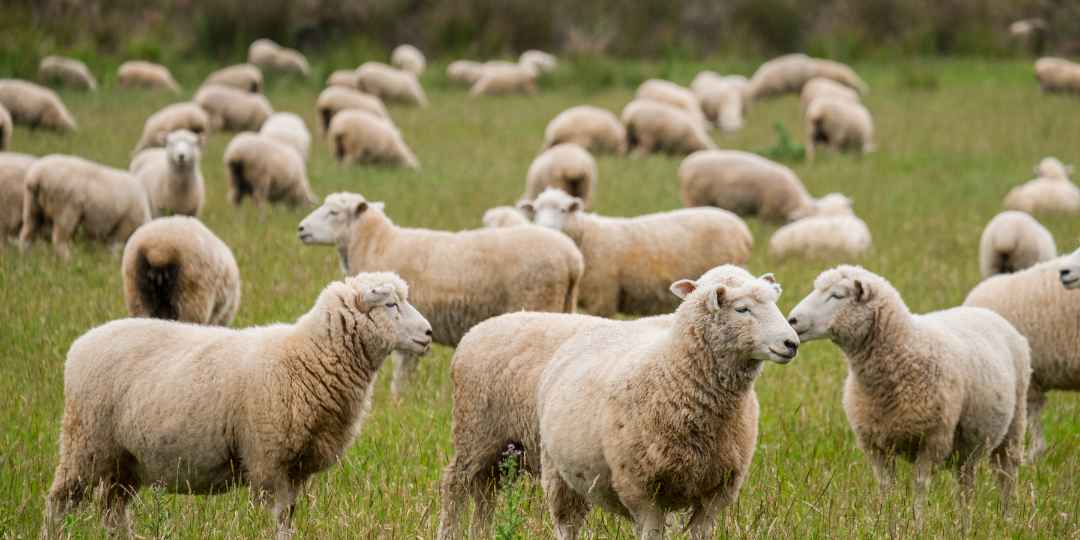
Internal parasites are a common challenge in grazing systems, particularly as seasonal conditions change. Worm burdens often build gradually, meaning the early signs can be subtle and easy to overlook.
Recognising potential parasite problems early can help producers respond quickly and minimise the impact on flock performance.
- Scouring
Scouring, or diarrhoea, is one of the most commonly recognised indicators of worm burdens in sheep. While scouring can have several causes, including dietary changes, persistent or widespread scouring within a mob can indicate the presence of gastrointestinal parasites. - Reduced weight gain
Parasites compete with the animal for nutrients, which can reduce feed efficiency and growth rates. Sheep affected by worm burdens may appear slow to finish or may struggle to maintain body condition despite adequate feed availability. - Poor condition and thriftiness
Sheep carrying significant worm burdens may show a general decline in condition. This can include weight loss, a dull fleece, or a lack of overall vigour.
Monitoring flock health
Because parasite challenges can develop over time, monitoring livestock condition and pasture pressure remains important throughout the grazing season. Diagnostic tools such as faecal egg counts can help determine whether worm burdens are present and if treatment may be required.
If producers suspect worm issues within a flock, a veterinarian can assist with advice on monitoring and parasite management options.