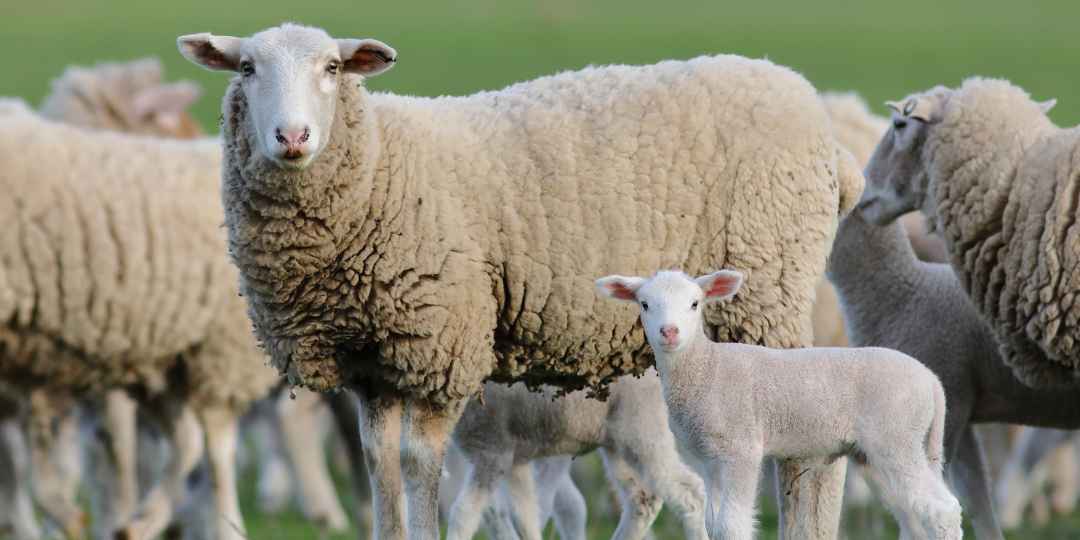
Seasonal conditions play a major role in the development of internal parasites in grazing livestock. For many sheep producers, autumn represents a period when worm burdens can begin to increase after several months of exposure on pasture.
Understanding why parasite pressure often rises during this time can help producers make more informed decisions about monitoring and treatment.
The worm lifecycle on pasture
Most gastrointestinal worms rely on pasture to complete their lifecycle. Eggs passed in manure develop into larvae that migrate onto surrounding pasture where they can be ingested by grazing sheep. Warm temperatures and periods of moisture provide favourable conditions for this development, allowing larvae to accumulate in grazing areas over time

Exposure builds through the season
By the time autumn arrives, sheep may have been grazing contaminated pasture for several months. This exposure can result in increasing parasite burdens within the flock, particularly where grazing pressure has been high or where young sheep are present.
Monitoring and management
Observation of livestock condition, pasture management and diagnostic tools such as faecal egg counts can all assist in identifying parasite challenges. Where treatment is required, a range of worm control options are available through rural retailers to help manage parasite burdens and support flock performance.
For further advice please consult your local veterinarian