Preparing Cattle for Winter: What to Focus on Now

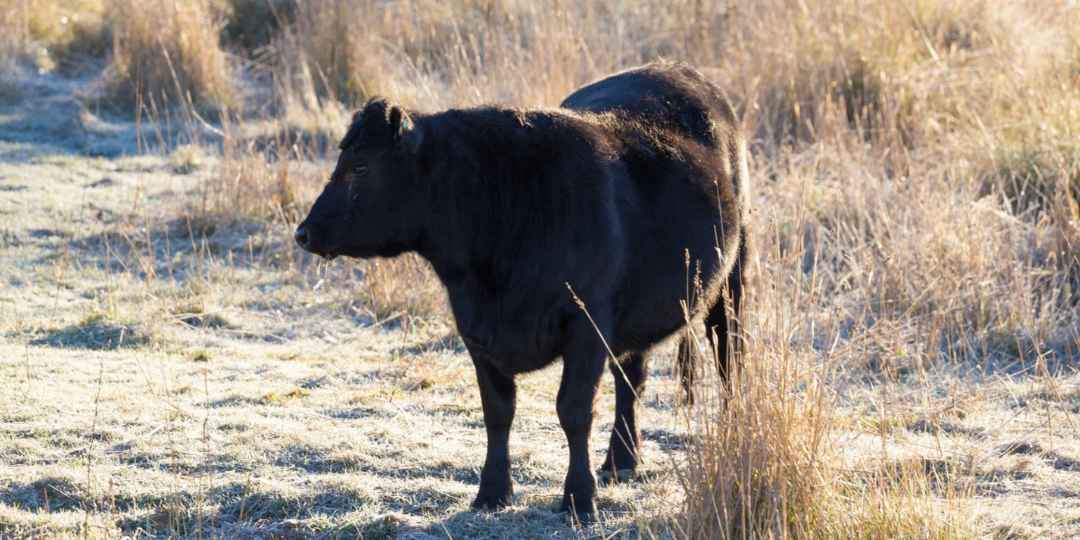
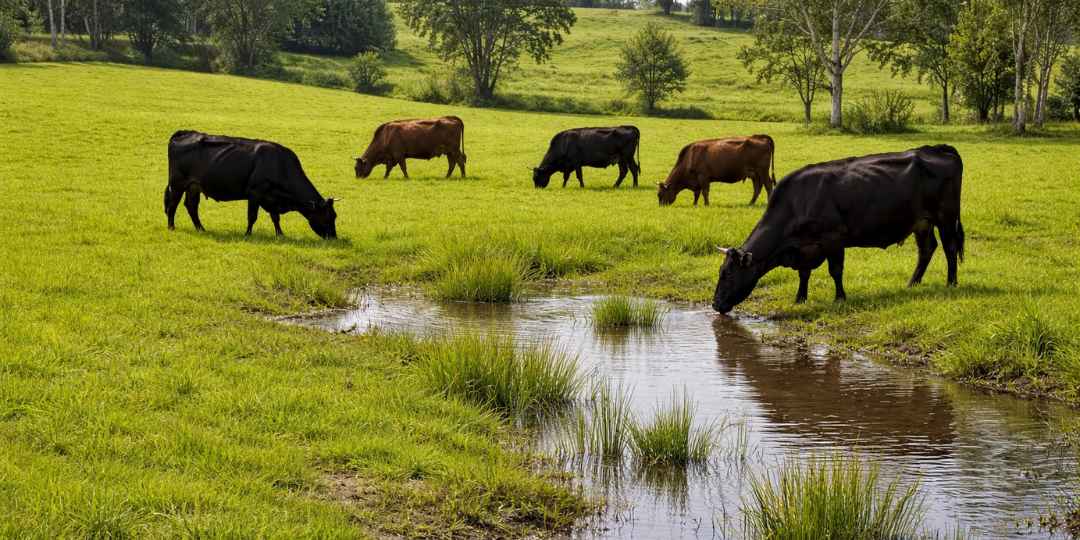
Winter performance is often determined well before conditions tighten. As pasture quality declines and energy demand increases, cattle can begin to lose condition quickly if not managed early. While feed availability is a key part of the picture, it’s not the only factor influencing how animals perform through the colder months. Condition, nutrition and trace … Read more

Drying Off Cattle: Setting Up for the Next Season

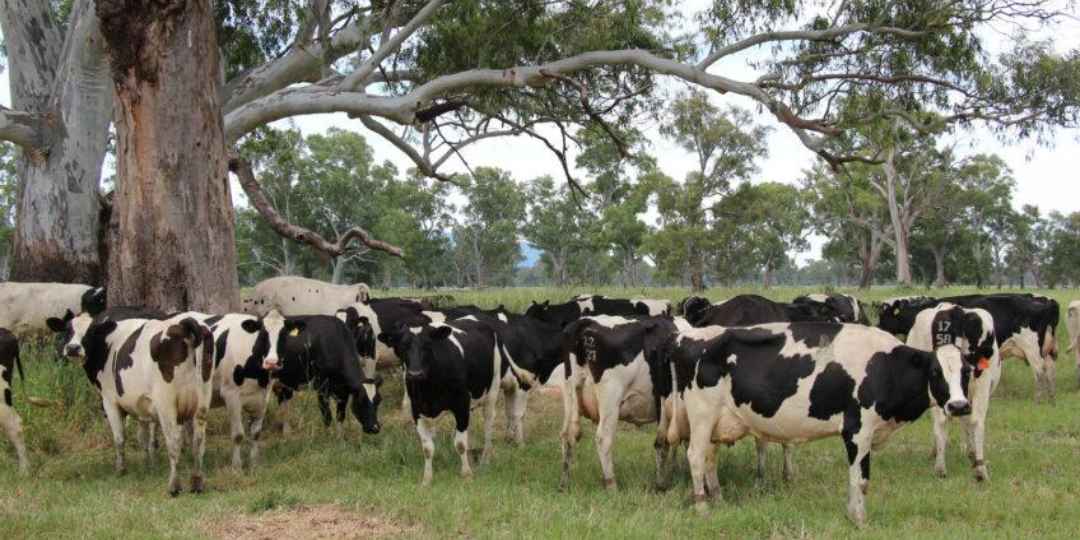
Drying off is more than just the end of a lactation period — it’s a key opportunity to reset cows and set them up for the next production cycle. How cows are managed during this time can influence body condition, recovery, and ultimately reproductive performance in the following season. Why drying off mattersThe drying off … Read more

When Would You Use Vitamin B12 in Cattle?

Vitamin B12 is involved in energy metabolism, helping cattle convert nutrients from feed into usable energy. It works closely with trace minerals such as cobalt, which is required for B12 production in the rumen. When this process is limited, energy utilisation can be affected. Why deficiency isn’t always obviousUnlike some nutritional issues, Vitamin B12 deficiency … Read more

THE POWER OF 3 – Why triple-active drenches are becoming the new normal in sheep and cattle

Across Australia, internal parasite control in both sheep and cattle is changing. The shift toward triple-active (“3-way”) drenches is not driven by marketing or fashion, but by necessity. On many properties, single- and dual-active drenches no longer provide reliable or predictable control. Anthelmintic resistance is now well established in sheep parasites and is increasingly recognised … Read more

Liver Fluke in Livestock – Seasonal Risk and Treatment Timing

Liver fluke is one of the more complex and often overlooked parasite challenges in livestock. In the right conditions, infections can build over time and impact animal performance before obvious signs appear. For producers in higher rainfall or irrigated areas, understanding fluke risk is critical. Unlike many gastrointestinal worms, liver fluke has a more complex … Read more

Autumn Worm Pressure in Sheep – Why Monitoring Matters

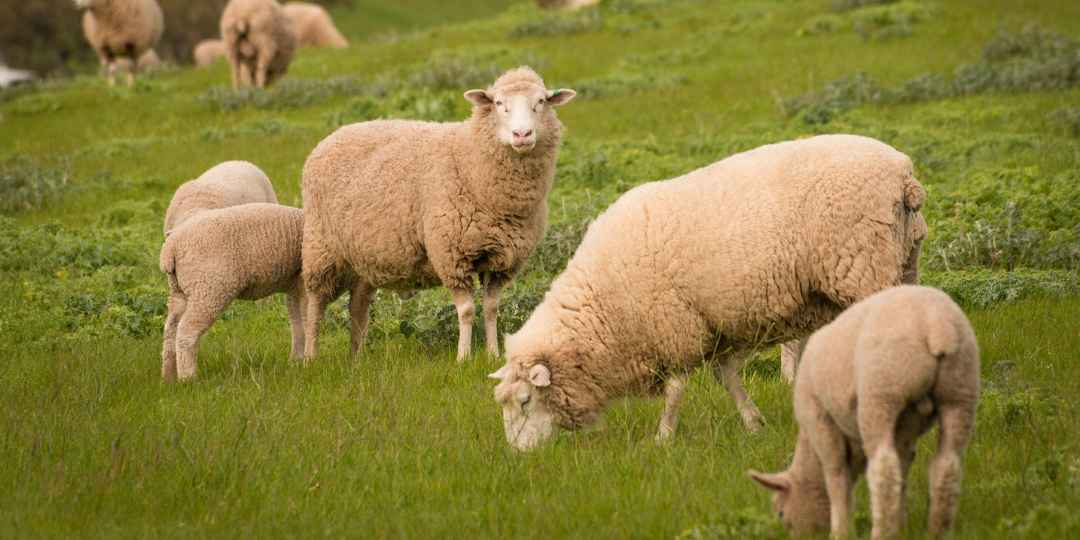
Across many Australian sheep-producing regions, autumn marks a period when internal parasite burdens can begin to build. After months of warm conditions and grazing pressure, worm populations on pasture may reach levels where they begin to affect flock performance. Internal parasites are a constant challenge in grazing systems. Their impact is not always immediately visible, … Read more

3 Signs Sheep May Have Worms

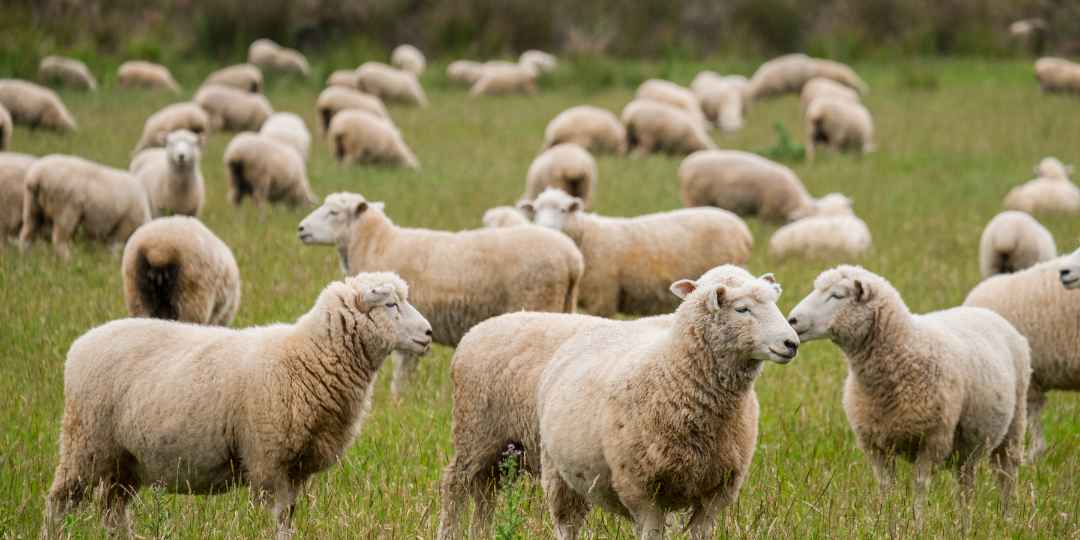
Internal parasites are a common challenge in grazing systems, particularly as seasonal conditions change. Worm burdens often build gradually, meaning the early signs can be subtle and easy to overlook. Recognising potential parasite problems early can help producers respond quickly and minimise the impact on flock performance. Monitoring flock healthBecause parasite challenges can develop over … Read more

Why Autumn Is a Key Time for Worm Control in Sheep

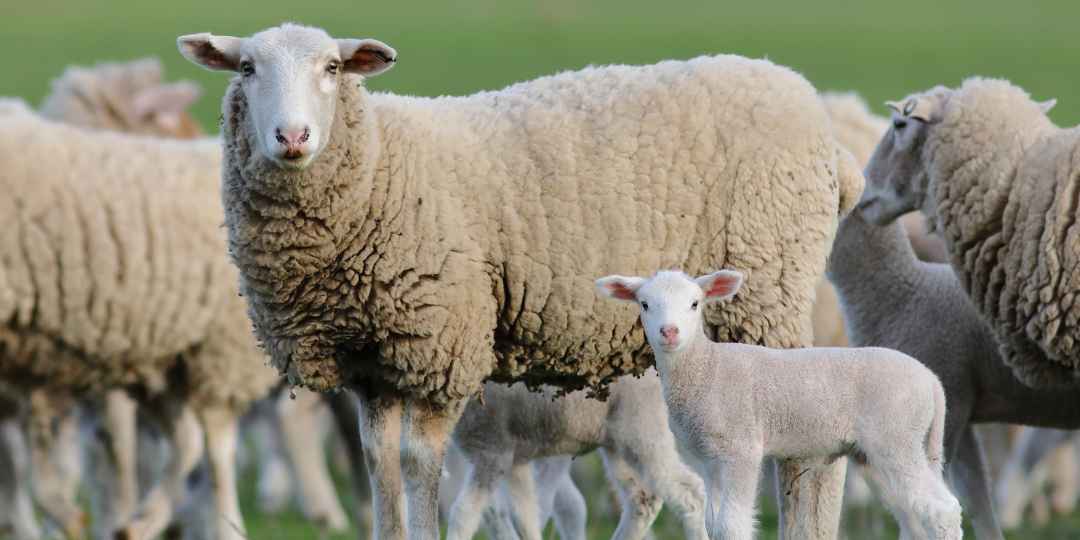
Seasonal conditions play a major role in the development of internal parasites in grazing livestock. For many sheep producers, autumn represents a period when worm burdens can begin to increase after several months of exposure on pasture. Understanding why parasite pressure often rises during this time can help producers make more informed decisions about monitoring … Read more

Generic selectors
Exact matches only
Search in title
Search in content
Post Type Selectors